
Raw or Cooked?
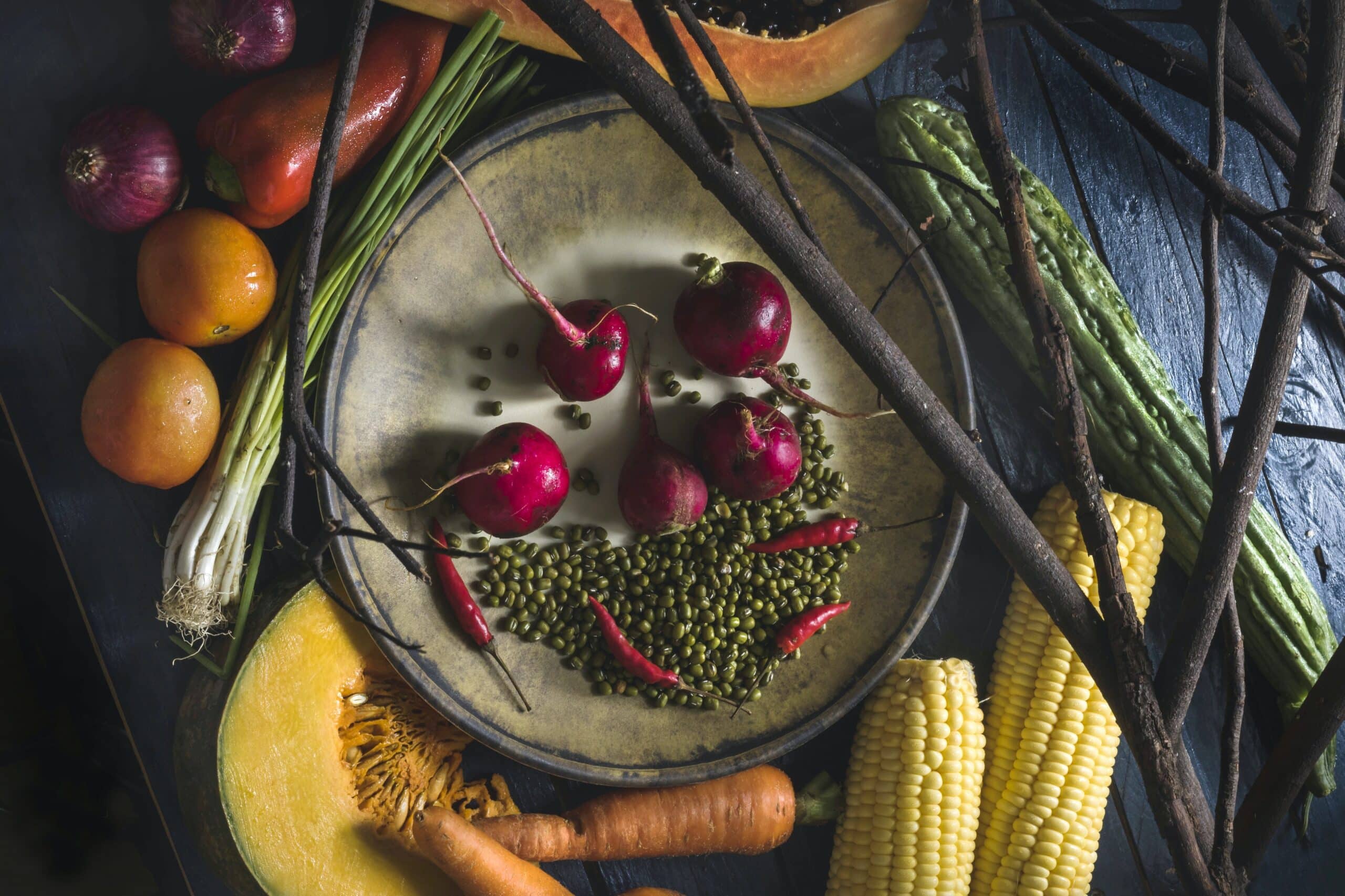
We often hear that raw foods are more nutritious than cooked foods and that cooking ‘kills’ the nutrients in food. False! Yes, some nutrients are indeed lost during cooking, but many others become more bioavailable and absorbable by the body when the food is exposed to heat. Uncooked food is harder to digest than cooked food. The cooking process breaks down the tough fibers in vegetables, meat, and grains, which makes it easier for the digestive system to digest and assimilate these foods properly. Aside from that, it softens the indigestible cellulose in plants and allows the nutrients to be released.
Ayurveda refers to the person’s digestive capacity as Agni or fire. Heat is a transformative force used to cook food to reduce the effort required by the digestive system and increase food’s bioavailable energy. The brain started developing when humans began cooking their food using fire. Need I say more?
Understanding Raw Foods
Raw foods are rough and fibrous. They are cleansing and promote elimination. While a person with a strong digestive system can break down anything, someone with compromised digestion will have a tough time digesting a bowl of salad. The roughage will likely cause them gas, bloating, and even constipation.
Raw fruits and vegetables reduce tissue density. This quality makes them beneficial as a part of a weight loss diet or even a cancer-fighting diet. Both unwanted fat cells and tumors are considered excess tissue in Ayurveda. In such cases, raw foods can effectively clear toxins out from the body with their depleting and detoxifying action. However, it is important to remember that after cleansing, one needs to replenish and nourish with cooked foods; otherwise, the body will start eating away bone tissue, which may lead to low bone density and hair fall. Raw foods are tough on the intestinal walls; therefore, they are not recommended for someone suffering from IBS (Irritable Bowel Syndrom), Crohn’s disease, or other digestive disorders. A balanced diet should consist of mostly cooked, with a few raw dishes here and there.
Cooking is also advised for non-fibrous food ingredients. Milk, for example, is hard to digest in its raw form. It is heavy, mucus-forming, and dampening. By boiling milk until it foams up, removing the foam on top, and adding black pepper or other warming spices to it, it becomes easier to digest.
Different Forms of Cooking
You don’t need to cook the life out of your food. Soaking, sprouting, and marinating in acid are gentle methods of activating, revitalizing, and releasing beneficial nutrients without using heat. Presoaking beans and lentils reduces their cooking time, and marinating fish in lemon juice partly cooks it and removes any microbes or harmful bacteria. Other forms of cooking include: blanching, steaming, boiling, grilling, roasting, baking, sauteing, pressure-cooking, toasting, or fermenting.
Ingredients that can be eaten raw
Soaked nuts, fresh ginger, small radishes, young vegetables, onion, garlic, tender leaves like basil, mustard greens, dill, coriander, lettuce, mint, and parsley. Carrots, beets, cucumber, and celery can be eaten raw in moderation. Ripe fruit that has been cooked by the sun doesn’t require cooking.